
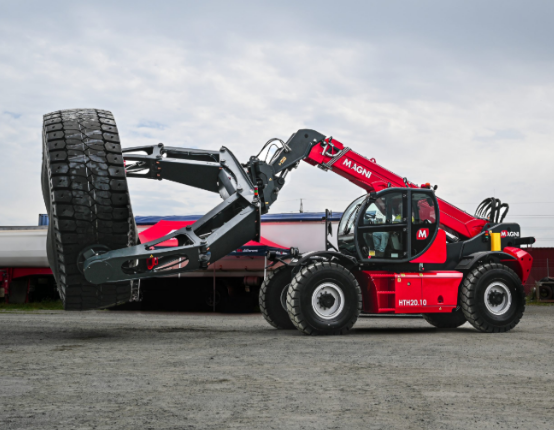
Walk past almost any site in Brisbane right now and there’s a fair chance you’ll see a long arm stretching up, a pallet swinging somewhere near the roofline, threading past a fence and a parked ute without much drama. That’s not an accident. Builders picked that machine on purpose. They needed something that could squeeze into a tight block without forcing a crane to do work it was never built for. A telehandler in Brisbane has become the default choice for a lot of crews who want lifting power but don’t have the room for bigger gear. Why did that happen? And what does it actually change for the people running these sites every day.
Working Around Tight Blocks
Try fitting machinery onto a narrow infill block in West End. Or an old Queenslander lot in Paddington. There’s barely enough space to swing a hammer. A telehandler gets around this. It pivots tight, crawls over rough dirt, slips through gates that other gear can’t touch. No need to clear a big swing radius. No need to shut the street down just to lift a load. That matters most on inner-city jobs, where council rules and grumpy neighbours leave almost nothing to work with. The machine bends to fit the block. Not the other way around. Which, frankly, saves a lot of arguments.
One Arm Doing Several Jobs
Here’s the thing a standard forklift can’t do: reach up and out, at the same time. So instead of lifting a load in stages, or wheeling in a second machine to shift it sideways, one operator just places the pallet straight onto the upper deck. From ground level. That single move replaces a slow back-and-forth of smaller lifts. Fewer machines parked on site. Fewer trucks idling at the kerb. Less mud tracked across the footpath. On multi-storey jobs especially, that one boom often does what would otherwise take a small fleet.
Not Just for Building Sites
People assume this gear belongs to construction crews and only construction crews. Not true. Cattle producers out west of the city use telehandlers to shift bales and feed across paddocks that would wreck a normal tractor’s tyres. Warehouses stack pallets at height without needing a separate forklift fleet sitting idle half the week. Landscapers shift turf and mulch without tearing up the lawn underneath. Swap the bucket for forks. Swap the forks for a grab. Same chassis, completely different trade. A reliable telehandler in Brisbane earns its spot because it refuses to do just one thing.
Safety Built In, Not Bolted On
Tip-overs end careers. They shut sites down for inspection too, sometimes for longer than anyone expects. So manufacturers stopped treating stability as some optional extra. Load-sensing systems warn an operator well before a lift edges past the limit. Cab visibility has improved as well, which cuts down on the blind spots that used to make reversing near a crew genuinely unsettling. None of this replaces solid training. But it gives operators a second set of eyes when a site is loud, rushed, or badly lit.
Keeping Projects on Track
Every site manager has a story about one broken machine wrecking an entire week. A telehandler covers ground that would otherwise need a crane, a forklift, sometimes a bobcat too. Less gear means less that can fail and sit waiting on a service truck somewhere. Fewer machines also means fewer handovers between trades, since materials land where they’re needed instead of getting shuffled between vehicles first. On a job with a tight deadline and a client breathing down someone’s neck, that reliability isn’t a luxury. It’s often the whole difference between finishing clean and limping over the line.
Suited to Queensland Weather
Brisbane swings between baking heat and storms that can flood a site overnight, and gear left exposed doesn’t hold up well. Sealed cabs keep operators working through both without losing comfort or visibility. Wider tyre treads grip the soft, waterlogged ground that follows a heavy storm, where lighter machines tend to bog down fast. Sites elsewhere might grind to a halt after rain. These ones often keep moving, because the lifting gear isn’t the weak point.
A Smaller Footprint Overall
Sustainability used to be a box ticked on a tender form. Now it shapes which machines actually get booked. One versatile unit instead of three specialised ones burns less fuel, produces fewer emissions, without anyone sacrificing output. Less vehicle movement means less compacted soil too, and quieter sites, which residential neighbours genuinely notice. Developers chasing certification, or just trying to keep complaints down, find equipment choice matters more than they expected.
Conclusion
Not every job needs the same machine off the same yard. Boom length, tyre type, ground conditions, they all shift the equation, and a supplier who actually knows this region will steer builders away from a poor match before it costs them. What stays constant is simpler: a dependable telehandler in Brisbane trims down how much equipment a site needs, keeps work moving through rough weather, and bends to fit blocks that would defeat bulkier gear. As sites get tighter and deadlines get tighter still, that combination is hard to ignore.