

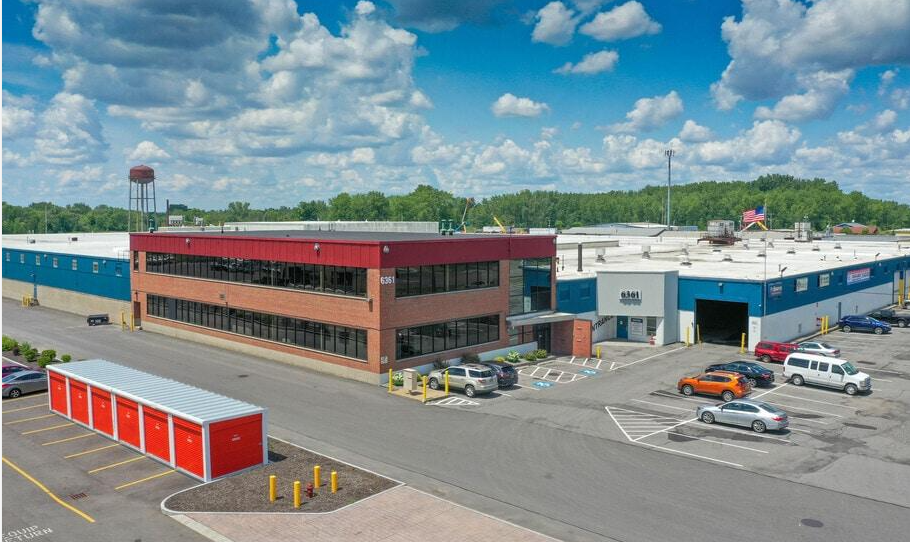
Commercial real estate can offer investors opportunities to earn rental income, build long-term wealth, and diversify their investment portfolios. However, choosing the right property requires more than finding an attractive building. Investors need to understand local demand, tenant requirements, operating expenses, financing, and potential risks.
Business property ideas Aggr8Investing is a search topic for people interested in discovering commercial property opportunities and learning how to evaluate them. From retail spaces and warehouses to medical offices and flexible workspaces, different property types can serve different business needs.
This guide explores practical business property ideas, explains how to assess potential investments, and shares useful strategies for making informed property decisions.
What Are Business Property Investments?
Business property investments involve purchasing or developing real estate that is used for commercial activities. Instead of renting a property to someone as a private residence, the owner leases it to a business or operates a business from the location.
Common examples include:
- Retail shops and shopping centers
- Office buildings and coworking spaces
- Warehouses and industrial units
- Medical and healthcare facilities
- Restaurants and hospitality properties
- Self-storage facilities
- Mixed-use commercial buildings
Investors may earn income through rent, property appreciation, or improvements that increase a property’s usefulness and value.
The potential return depends on factors such as location, tenant quality, purchase price, financing costs, and ongoing expenses. Commercial property is not automatically profitable, and vacancies or unexpected repairs can affect returns.
Why Consider Business Property Ideas Aggr8Investing?
Commercial property can be attractive to investors who want to explore income-producing real estate beyond traditional residential rentals.
Some potential advantages include:
1. Rental Income Opportunities
A commercial property can generate recurring income when leased to businesses. Lease terms may be longer than typical residential agreements, although the actual duration depends on the property type and tenant.
2. Different Types of Tenants
Commercial properties can serve businesses in healthcare, logistics, retail, professional services, education, and other industries. This creates opportunities to target different tenant markets.
3. Potential Property Appreciation
A property’s value may increase when the surrounding area develops, demand grows, or improvements make the building more useful. Appreciation is never guaranteed and can also move in the opposite direction.
4. Portfolio Diversification
Commercial property may provide exposure to a different asset category. However, owning several properties in one location or industry can still create concentration risk.
10 Business Property Ideas Worth Exploring
The following ideas represent different commercial property categories. Their suitability depends on local demand, available capital, regulations, and the investor’s experience.
1. Retail Shops and Small Shopping Centers
<AsyncImage query=”small modern neighborhood retail shopping center storefronts” aspectRatio=”16:9″/>
Retail properties can be suitable for businesses that depend on physical customer visits. Examples include grocery stores, salons, pharmacies, clothing shops, cafés, and convenience stores.
Small retail units may appeal to local business owners who want a visible location without purchasing an entire building.
Why consider this idea?
- Potential demand from local customers
- Multiple units can accommodate different tenants
- Opportunities to lease to complementary businesses
- Possible income diversification across tenants
What to evaluate: Foot traffic, parking, nearby competition, visibility, local spending patterns, and the financial strength of prospective tenants.
2. Flexible Office and Coworking Spaces

<AsyncImage query=”modern coworking office interior private meeting rooms shared desks” aspectRatio=”16:9″/>
Flexible offices provide desks, private rooms, meeting facilities, and shared amenities. They can serve freelancers, startups, consultants, and small businesses.
An investor might purchase a suitable office building and lease it to an experienced coworking operator or explore operating the space directly.
Potential opportunities include:
- Shared office desks
- Private offices
- Meeting and conference rooms
- Virtual office services
- Training and event spaces
Important consideration: Coworking properties require active management, reliable internet, maintenance, marketing, and consistent occupancy. A good building does not guarantee a successful coworking business.
3. Warehouses and Logistics Properties
<AsyncImage query=”modern commercial logistics warehouse loading docks industrial property” aspectRatio=”16:9″/>
Warehouses support storage, distribution, manufacturing, and e-commerce operations. Businesses may need space close to highways, transport facilities, suppliers, or customer markets.
Smaller warehouses can also serve local distributors and service companies.
What makes this property type interesting?
- Demand from storage and distribution businesses
- Potential for longer-term commercial leases
- Different possible tenant industries
- Opportunities in developing industrial locations
Before purchasing, examine road access, loading facilities, ceiling height, power supply, zoning, fire safety, and environmental requirements.
4. Medical Offices and Healthcare Clinics
<AsyncImage query=”modern outpatient medical clinic commercial building exterior” aspectRatio=”16:9″/>
Healthcare properties can accommodate doctors, dentists, diagnostic centers, physiotherapists, and specialist clinics.
These businesses often require accessible locations, appropriate layouts, reliable utilities, and facilities that meet healthcare regulations.
Possible property opportunities:
- Small medical office buildings
- Dental clinic spaces
- Diagnostic center properties
- Physiotherapy and rehabilitation facilities
- Specialist outpatient clinics
Healthcare properties may involve specialized construction and compliance costs. Investors should verify licensing, permitted use, accessibility, and tenant requirements before committing capital.
5. Self-Storage Facilities
<AsyncImage query=”modern self storage facility exterior rows of storage unit doors” aspectRatio=”16:9″/>
Self-storage properties provide individual storage units that customers rent to keep furniture, business inventory, equipment, and personal belongings.
They may be suitable in areas with apartment communities, small businesses, or limited storage space.
Potential benefits:
- Multiple customers rather than one large tenant
- Different unit sizes and rental options
- Opportunities for additional security and access services
- Potential to serve both residential and commercial customers
Investors should assess local competition, occupancy expectations, security costs, land requirements, and the feasibility of operating the facility.
6. Mixed-Use Commercial Properties
<AsyncImage query=”modern mixed use commercial property retail ground floor offices above” aspectRatio=”16:9″/>
Mixed-use properties combine different uses in one development. A building might include retail shops on the ground floor, offices on upper floors, and other permitted uses.
This model can spread rental income across different types of tenants.
Examples include:
- Shops with office spaces above
- Retail units combined with serviced offices
- Commercial buildings with permitted residential components
- Small business centers with shared facilities
The main challenge is managing different tenant requirements, building services, zoning rules, and operating costs.
7. Restaurants and Food-Service Properties
<AsyncImage query=”modern restaurant commercial property storefront outdoor seating” aspectRatio=”16:9″/>
Restaurants, cafés, bakeries, and takeaway businesses need locations that support customer access and food-service operations.
An investor can consider leasing a suitable commercial unit to an established restaurant operator rather than managing the restaurant personally.
Important factors include:
- Visibility and customer access
- Kitchen ventilation and drainage
- Water and electricity capacity
- Parking and delivery access
- Local food-service permissions
- Nearby competition and customer demand
Restaurant properties can require expensive fit-outs. Confirm who is responsible for equipment, repairs, and reinstatement when a lease ends.
8. Flex-Industrial Business Units
<AsyncImage query=”flex industrial commercial unit warehouse with small front office” aspectRatio=”16:9″/>
Flex-industrial properties combine office space with warehouse, workshop, or light-industrial areas. They can serve contractors, small manufacturers, repair businesses, distributors, and product companies.
A typical unit may include an office at the front and a work or storage area at the back.
Features to look for:
- Suitable loading access
- Adequate ceiling height
- Durable flooring
- Sufficient electrical capacity
- Parking for staff and work vehicles
- Permitted industrial or commercial use
Flexible layouts may appeal to different businesses, but the property must meet local building and environmental requirements.
9. Educational and Training Centers
<AsyncImage query=”modern professional training center classroom commercial building” aspectRatio=”16:9″/>
Educational businesses may need classrooms, computer labs, meeting rooms, and training facilities. Potential tenants include coaching centers, vocational institutes, professional training providers, and language schools.
Investors can explore commercial properties near colleges, business districts, or residential communities.
Before investing, check local education regulations, occupancy limits, accessibility, parking, and the property’s permitted use.
10. Data Centers and Digital Infrastructure Properties
<AsyncImage query=”modern data center building exterior industrial digital infrastructure” aspectRatio=”16:9″/>
Data centers support cloud computing, data storage, and digital services. They are specialized real estate assets that require significant infrastructure.
Important requirements include:
- Reliable electricity supply
- Backup power systems
- Advanced cooling
- Fiber connectivity
- Physical security
- Suitable land and building permissions
This category can require substantial capital and technical expertise. Investors should understand power availability, operating costs, environmental considerations, and the financial strength of the operator before considering a project.
How to Choose the Right Business Property
Selecting a property should begin with research rather than an emotional response to a building or a seller’s promises.
1. Research Local Market Demand
Identify the businesses operating in the area and understand what type of commercial space they need.
Look at population growth, employment, transport access, business activity, nearby developments, and competing properties.
2. Understand the Location
Location influences customer access, tenant demand, operating costs, and future development potential.
Consider:
- Road and public transport connectivity
- Nearby residential and business areas
- Parking availability
- Visibility and accessibility
- Infrastructure and utilities
- Local zoning and permitted use
3. Calculate the Total Investment
The purchase price is only one part of the cost.
Include legal fees, taxes, registration, financing, repairs, renovations, insurance, property management, and possible periods without tenants.
4. Evaluate Potential Tenants
A property with a reliable tenant can be more attractive than one with impressive features but uncertain occupancy.
Review the tenant’s business history, financial position, lease requirements, and ability to meet rental payments.
5. Compare Potential Returns
Estimate annual rental income and subtract realistic operating expenses.
A simple starting calculation is:
Net operating income (NOI) = Annual property income − Operating expenses
The capitalization rate can then be estimated as:
Cap rate = Annual NOI ÷ Property purchase price × 100
For example, if a property generates ₹12 lakh in annual net operating income and costs ₹1.5 crore, its estimated cap rate is 8%.
This is a simplified illustration, not a forecast. It excludes some investment considerations, including financing, taxes, capital expenditure, and changes in property value.
How Aggr8Investing Can Fit Into Property Research
Searches for Aggr8Investing business property ideas often focus on combining market information with commercial property research.
The related Aggr8Investing articles discuss themes such as flexible workspaces, logistics properties, specialized infrastructure, and evaluating opportunities using multiple market signals. These are useful topics to investigate, but an article or platform description should not be treated as proof of investment performance.
A disciplined research process should include:
- Identify a property category: Decide whether retail, office, industrial, healthcare, or another category matches your investment goals.
- Study local demand: Review business activity, tenant requirements, and competing properties.
- Compare property data: Examine asking prices, rents, occupancy, operating costs, and recent comparable transactions.
- Check the legal position: Verify ownership, title, zoning, permissions, and outstanding liabilities.
- Build a financial model: Estimate income, expenses, financing costs, and vacancy scenarios.
- Seek professional advice: Use qualified legal, tax, property, and financial professionals before making a major commitment.
For additional background, see the related Aggr8Investing business property ideas article.
Common Mistakes to Avoid in Commercial Property Investment
Even an attractive property can become a poor investment if important details are overlooked.
Ignoring Location and Tenant Demand
A low purchase price does not necessarily mean a good deal. If businesses do not want to rent in the area, vacancy can reduce income.
Underestimating Maintenance Costs
Commercial buildings may require expensive repairs to roofs, lifts, electrical systems, plumbing, parking areas, and HVAC equipment.
Overestimating Rental Income
Do not calculate returns using only the rent advertised by a seller or broker. Check comparable leases and allow for vacancies, incentives, and operating expenses.



[…] Read also:- https://thebizoutlook.com/business-property-ideas-aggr8investing-smart-commercial-real-estate-opport… […]