

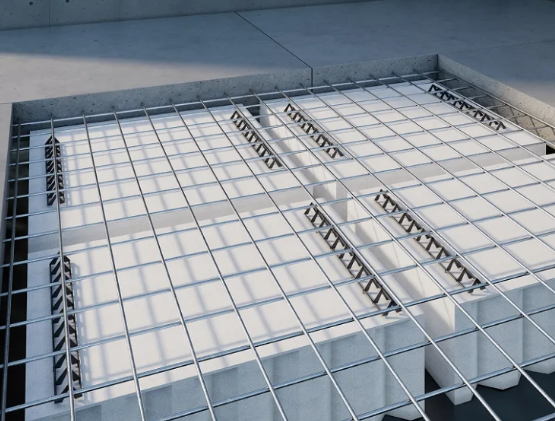
Ask any foreman who has witnessed a pour be delayed because the incorrect pod depth came up on a truck, and they’ll tell you the supply matters more than most imagine. Waffle pod flooring seems basic on a design, but the void formers below carry substantial technical weight. Get the incorrect batch, or a supplier that takes specification papers as vague suggestions, and the implications show up months later as broken screed or a floor that never sits level. Choosing waffle pod suppliers with actual technical discipline secures everything constructed on top of that slab.
A Foundation Built on Trust
Trust in this trade isn’t sentimental, it’s practical. A supplier who answers the phone when a delivery runs late, or flags a batch issue before it reaches site, saves a foreman from discovering the problem with a spirit level after the concrete has gone off. Builders burned by inconsistent pods remember it for years, long after the project itself is forgotten. Reputation here travels through site conversations, not brochures.
Understanding Waffle Pod Technology
The void formers beneath a waffle slab aren’t just spacers; they’re doing structural work, letting the concrete ribs above flex slightly with reactive clay without transferring that movement into the building itself. On genuinely difficult ground, engineers rely on this behaviour rather than fighting the soil with a rigid slab. First-time self-builders are often surprised how much a pod’s dimensional accuracy affects rib thickness, and how the floor performs once furniture and foot traffic settle in.
Consistency Across Every Delivery
A pallet of pods that doesn’t quite match the last one sounds trivial until a bricklayer tries to set formwork against it. Reliable waffle pod suppliers run tight tolerances because small drift in dimension compounds across a whole floor plate. Site crews rarely have time to sort pods by hand, so consistency has to be built into manufacturing rather than fixed on site.
Environmental Considerations Matter
Recycled polystyrene content sounds like a marketing line until you consider where the material comes from and whether the manufacturer can trace it. Builders chasing sustainability credentials often find documentation, not intention, satisfies certification bodies. A supplier who hands over verifiable environmental data saves a project manager weeks of paperwork.
Supporting Local Construction Communities
Soil behaves differently across regions, and a supplier who has poured pods into local clay for years spots a mismatch between a generic spec sheet and real conditions faster than an out-of-area distributor could. That familiarity shows up in small ways: knowing which suburbs flood after heavy rain, or which inspectors are particular about edge beam detailing. None of that gets written down; it lives in the relationship between builder and supplier.
The Role of Technical Support
The best suppliers behave more like consulting engineers than salespeople. When a site throws up an unusual footprint or a services penetration nobody planned for, having someone who can talk through load paths, not delivery slots, changes how a problem gets solved. Builders who’ve worked with a technical supplier notice the difference fast after switching to a purely transactional one.
Timing and Logistics on Site
Weather windows in construction close quickly, and a pour delayed by a missing pallet of pods can push a crew’s schedule sideways. Suppliers who understand sequencing plan deliveries around the pour, not their warehouse convenience. That distinction rarely appears in a contract, but shows up constantly in how smoothly a build runs.
Making an Informed Choice
Reading a brochure won’t reveal how a supplier handles a genuine site problem; only a phone call or a site visit will. Ask about past failures as much as past successes, since how a supplier responds when something goes wrong tells you more than any spec sheet.
Conclusion
The floor underneath a structure seldom gets noticed, although everything above it hinges on choices made before the first wall goes up. Working with waffle pod suppliers that contribute true technical judgement, not simply stock on a shelf, transforms how a construction progresses. Builders that take supplier selection carefully spend less time troubleshooting later, since the foundation was done right initially.